
A steam sauna can be a warm and relaxing way for older adults to unwind, ease stiff muscles and enjoy a quiet moment. The moist heat feels different from a dry sauna. It wraps around you at a lower air temperature, and many seniors find that gentler on the chest and skin.
That gentler feeling does not mean steam heat is risk free. Age changes how the body handles heat. The heart works harder, blood pressure can shift, thirst signals can weaken and some medicines change how much you sweat. A short and careful session is very different from a long and hot one, and the difference matters more after 65 than it did at 35.
This guide explains steam sauna for seniors in plain terms. You will find safe temperature ranges, session lengths that suit a first visit, the health checks worth making before you step in, and the warning signs that mean you should leave at once. It is written for seniors, for adult children helping a parent, and for carers who want a clear and cautious plan.


#Paid Links
Please read first: this article is general information, not medical advice. A steam sauna is a wellness tool, not a treatment. If you live with a heart or circulation condition, low blood pressure or diabetes, or if you take medicine that affects heat tolerance, blood pressure or fluid balance, check with your doctor before your first session.


#Paid Links
Why Steam Heat Feels Different for Older Bodies
A steam room fills with warm, humid air. Most steam rooms run near 100 percent humidity, so sweat does not evaporate the way it does in dry air. Your body still warms up, but the cooling effect of evaporation is much weaker. That is why a steam room can feel intense even when the thermometer reads lower than a dry sauna.
For seniors, that humidity cuts both ways. Moist air can feel kind on dry skin and on airways that feel tight in winter. It can also hide how hot you are getting, because your skin stays damp and the air feels soft. You may not notice the heat building until you feel light headed, so a timer and a plan matter more than your sense of comfort alone.
Ageing also changes the way the body sheds heat. Sweat glands respond more slowly, the sense of thirst becomes less sharp and the heart has less reserve to pump extra blood to the skin. None of this means older adults must avoid steam rooms. It means the margin for error is smaller, and a careful routine is worth building from the first visit.
If you have used an infrared sauna for seniors, do not assume the same settings carry over. Infrared cabins heat the body with radiant panels at lower air temperatures and much lower humidity. A steam room is a different environment, and this guide is written only for steam.
Safe Temperatures for Seniors in a Steam Sauna
Most steam rooms operate between about 40 and 50 degrees Celsius, which is about 104 to 122 degrees Fahrenheit. That is the range you will see in gyms, spas and home steam showers. A well run steam room stays in the lower half of that range for most users, and seniors should aim there too.
For a first session, choose the coolest setting that still feels warm and steamy, often around 40 to 43 degrees Celsius. Sit on the lower bench, where the air is cooler, and let your body adjust for a few minutes before you decide whether the heat suits you. There is no benefit in starting at the hottest setting, and there is real risk in it.


#Paid Links
If you already use steam rooms and your doctor is happy with that, a temperature up to about 45 degrees Celsius is a common upper comfort zone for many healthy older adults. Treat 45 degrees as a ceiling to discuss with your doctor, not as a target to reach. If the room feels hotter than the display says, trust your body and step out.
Humidity is the other half of the picture. A steam room at 100 percent humidity at 45 degrees feels far hotter than dry air at the same temperature. You cannot judge the heat by the thermometer alone.
If breathing feels heavy, if your chest feels tight or if you feel suddenly tired, the room is too hot for you that day, whatever the dial reads. Our steam sauna temperature guide explains how temperature and humidity work together in more detail.
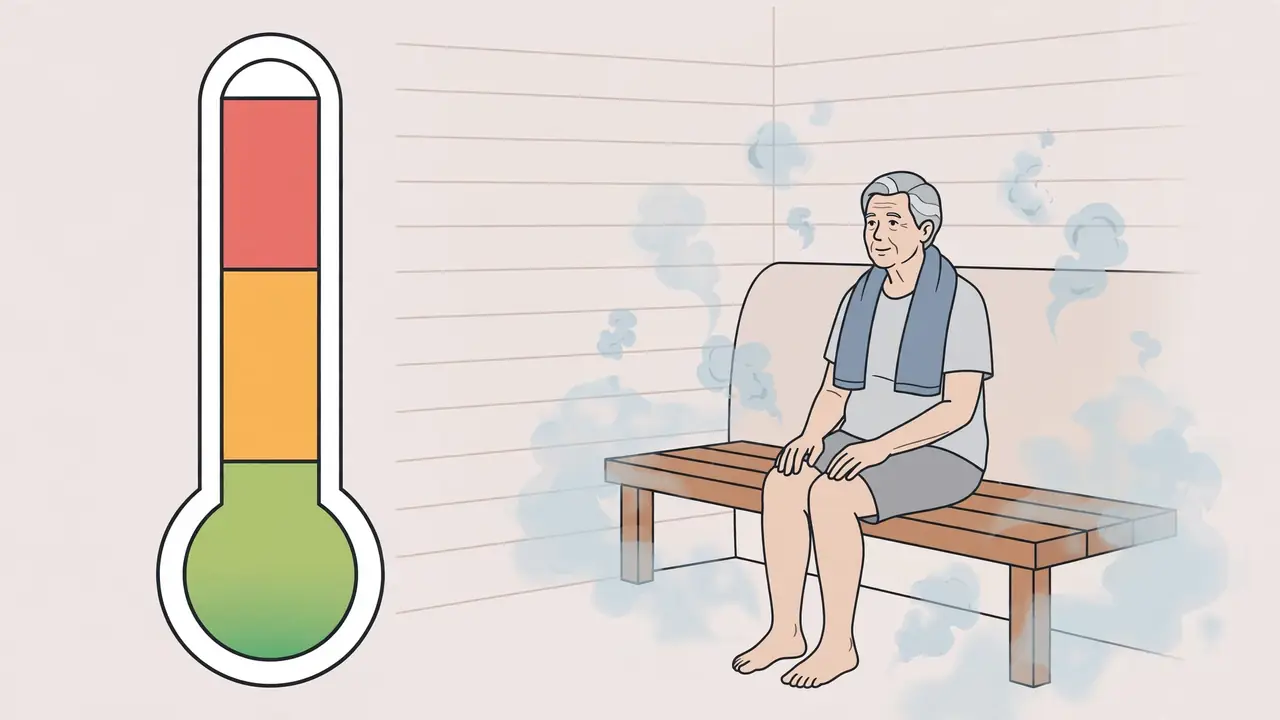
| Steam room setting | Typical temperature | Who it suits | What to do |
|---|---|---|---|
| Cool start | 40 to 43 degrees Celsius | First sessions, and most seniors | Sit low, stay 5 to 10 minutes, see how you feel |
| Comfortable middle | 43 to 45 degrees Celsius | Healthy older adults who are used to steam | Keep sessions short, drink water before and after |
| Hot end | Above 45 degrees Celsius | Not advised as a routine for seniors | Step out if breathing feels heavy or you feel dizzy |
| Too hot | Above 50 degrees Celsius | No senior should aim for this | Leave at once and cool down slowly |
Why the Lower Bench Matters
Hot air rises, and steam is no exception. The top bench in a steam room can be several degrees hotter than the lower bench, even though the room looks the same from the door. Seniors should sit on the lowest bench, close to the door if possible, so leaving is easy and the heat is at its mildest.
How Long Should Seniors Stay in a Steam Sauna
Session length matters as much as temperature. A short session gives you the warmth and relaxation without pushing your heart and fluid balance too far. For most adults, general guidance suggests 10 to 20 minutes in a steam room, but seniors should start well below that range.
For a first session, aim for 5 to 10 minutes. That is long enough to feel the benefit and short enough to learn how your body reacts. Sit down, relax, and watch the clock rather than waiting until you feel uncomfortable. If 5 minutes feels plenty, that is a good result, not a failure.
After three or four short sessions over a couple of weeks, many healthy older adults can build up to 10 to 15 minutes. Build up slowly, adding only a few minutes at a time, and only if each shorter session left you feeling well. If a longer session leaves you tired, headachy or thirsty for hours, go back to the shorter length.
Fifteen minutes is a sensible ceiling for most seniors, even for those who use steam rooms often. Longer sessions raise the risk of dehydration and low blood pressure on standing, and they add little that a shorter session does not already give. If you want more time in the heat, take a break and a drink, cool down fully, and only then consider a second short round. Our guide on how long you should stay in a steam sauna covers the general timing in more depth.
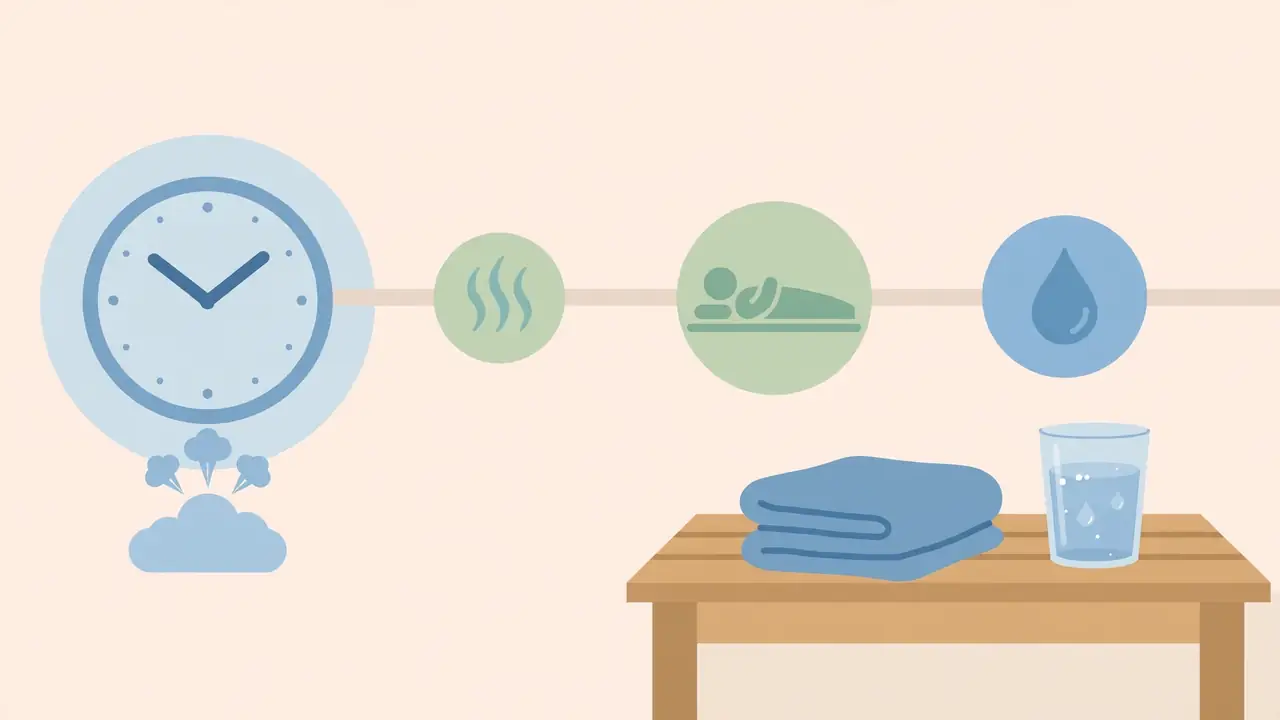
| Experience level | Session length | Temperature to aim for | Rest between rounds |
|---|---|---|---|
| First ever session | 5 to 10 minutes | 40 to 43 degrees Celsius | At least 10 minutes cooling down |
| Getting used to steam | 10 minutes | 40 to 43 degrees Celsius | At least 10 minutes cooling down |
| Regular user, feeling well | 10 to 15 minutes | Up to 45 degrees Celsius | At least 15 minutes cooling down |
| Feeling unwell that day | Do not use the steam room | Not applicable | Rest and try another day |
A Simple First Session Plan
A plan takes the guesswork out of a first visit. Follow the same steps each time until the routine feels natural, and keep a small note of how long you stayed and how you felt afterwards. That note helps your doctor give better advice, and it helps you spot patterns.
- Drink a glass of water in the hour before your session, and use the toilet first.
- Tell someone where you are going, and take your phone or a call button if the facility allows it.
- Shower briefly with warm water, then dry off lightly before you enter.
- Sit on the lowest bench, set a timer for 5 minutes, and keep your feet flat on the floor.
- Breathe slowly, stay seated, and leave at once if you feel dizzy, nauseous or unwell.
- Step out when the timer ends, even if you feel fine, and sit somewhere cool for at least 10 minutes.
- Drink water slowly, have a light snack if you feel hungry, and rest before you drive home.
How Many Sessions a Week
Two or three short sessions a week is plenty for most seniors. Daily steam sessions are not needed to enjoy the warmth, and they leave less recovery time between visits. If you use a steam room at a gym, space your visits out and keep at least one rest day between them while you are learning how your body responds.
Some people find an evening session helps them wind down, and a short steam session before bed is a common routine. If you try that, keep it short and leave plenty of time to cool down and rehydrate before sleep. Our article on steam sauna for better sleep looks at evening routines in more detail. For a broader view of frequency, see how often you should use a steam sauna.
Health Checks to Make Before Your First Session
A short health check before your first steam session is the most important part of this guide. It takes one conversation with your doctor and it can prevent a frightening experience. Bring a list of your medicines and your recent blood pressure readings, and ask directly whether steam heat is safe for you.
Your doctor can weigh your full picture, including conditions that may not feel relevant to a steam room. Heart disease, a previous heart attack or stroke, heart failure, an irregular heartbeat and uncontrolled high blood pressure all call for a careful talk first. So do circulation problems, kidney disease and any condition that affects sweating or fluid balance.

| Health topic | Why it matters in steam heat | What to ask your doctor |
|---|---|---|
| Heart or circulation condition | Heat raises heart rate and widens blood vessels | Is steam heat safe for me, and for how long |
| High or low blood pressure | Pressure can fall when you stand after heat | What readings would mean I should skip a session |
| Diabetes | Nerve damage can dull heat and thirst signals | How should I check my feet and blood sugar around sessions |
| Medicines | Some drugs change sweating, pressure or fluid balance | Do any of my medicines affect heat tolerance |
| Balance or fall risk | Wet floors and warm rooms raise fall risk | What support or supervision should I arrange |
| Breathing conditions | Humid air can feel heavy for some lungs | Should I avoid steam if my breathing is worse that day |
| Recent illness or surgery | The body is still recovering and dehydrates faster | When is it safe to return to the steam room |
If your doctor says steam rooms are not right for you, accept that advice. There are other ways to relax and keep warm, and no steam session is worth a hospital visit. If your doctor gives the go ahead, ask them to note any personal limits on time, temperature and frequency, and keep that note with your gym bag.
Heart and Circulation
Heat makes the heart beat faster so it can send more blood to the skin. In a healthy heart, that is a normal response to warmth. In a heart with narrowed arteries, a weak pump or an unstable rhythm, the extra work can bring on chest pain, breathlessness or dizziness. That is why a heart check comes first.
Be honest about symptoms, even mild ones. Chest tightness on exertion, breathlessness on stairs, swollen ankles, fainting or a fluttering heartbeat all deserve a mention. Your doctor may want a recent blood pressure reading, an ECG or a medication review before giving an answer. That caution is a sign of good care, not overreaction.
Blood Pressure and Standing Up
Warmth widens blood vessels, and blood pressure often falls during a steam session. That drop is usually small, but it can be enough to make you dizzy when you stand. Older adults with low blood pressure, or those taking blood pressure medicine, should be extra careful.
Stand up slowly, in stages. Sit upright for a minute, dangle your legs, then stand while holding a rail. If the room spins or your vision greys, sit back down at once and call for help. Never rush out of a steam room into a cold shower, because a sudden temperature change can make dizziness worse.
Diabetes, Nerve Damage and Feet
Diabetes can damage the nerves in the feet and legs, which dulls the sense of heat and pain. That matters in a steam room, because you may not notice a bench that is too hot or a floor that could burn bare feet. Check the bench with your hand before you sit, wear clean flip flops or water shoes, and inspect your feet after every session.
Heat and sweating can also shift blood sugar and fluid levels. Check your blood sugar before and after a session if your doctor advises it, and carry glucose tablets or a snack in your locker. Tell staff that you live with diabetes, so they know to check on you if a session runs long. If you use insulin, ask your doctor whether heat affects where and when you should inject.
Balance, Falls and Using the Steam Room Alone
Falls are one of the biggest risks for older steam room users, and they have little to do with heat tolerance. Wet tiles, a step up to a bench, low light and steam that hides the floor can all catch you out. A fall in a tiled room can cause a fracture, so prevention deserves as much attention as temperature.
Where possible, do not use a steam room alone. Go with a partner, a friend or a family member, and let staff know you are in the room. If you use a home steam shower, keep your phone within reach outside the room and tell someone in the house before you step in. A companion is the simplest safety device there is.
Medicines That Can Change How You Handle Heat
Many common medicines change the way the body handles heat, and older adults often take more than one. A medicine review is therefore a key part of the health check. Never stop a medicine to use a steam room, and never change a dose without your doctor or pharmacist agreeing.
Water tablets, known as diuretics, increase urine output and can leave you short of fluid before you even enter the steam room. Blood pressure medicines can make pressure fall further in the heat. Some heart medicines slow the pulse, which limits how fast the heart can respond to warmth. Bring the full list, including over the counter tablets and supplements.
- Diuretics and water tablets: raise the risk of dehydration, so drink water before your session and keep it short.
- Blood pressure medicines: can make you dizzy on standing after heat, so rise slowly and hold a rail.
- Beta blockers and some heart medicines: can blunt the heart rate response, so heat may build without the usual warning signs.
- Medicines that reduce sweating: some bladder, allergy and mental health medicines cut sweating, which removes a key cooling route.
- Sedatives and strong painkillers: can make you drowsy or slow to notice overheating, so avoid steam sessions on days you feel sleepy.
- Diabetes medicines and insulin: heat and sweating can shift blood sugar, so check levels if your doctor advises it.
Hydration: Water Before, During and After
Sweating in a steam room loses water and salts, and older adults replace that fluid more slowly. Thirst is also a weaker signal with age, so you may be short of water without feeling thirsty. A simple drinking plan solves most of this, and it starts before you enter the room.
Drink a glass of water in the hour before your session, and another small glass after you cool down. Sip slowly rather than gulping a large amount at once. If your doctor has set a daily fluid limit because of heart or kidney disease, follow that limit and ask how a steam session fits within it, because general drinking advice does not override a personal fluid plan.
For short sessions, plain water is enough. Long or very sweaty sessions may call for a drink that replaces salts, but ask your doctor first if you have kidney disease, heart failure or a low salt diet. Avoid alcohol before and during a session. Alcohol widens blood vessels, increases fluid loss and dulls judgement, which is a poor mix with heat.
What to Drink and When
| When | What to drink | How much |
|---|---|---|
| One hour before | Plain water | One glass, sipped slowly |
| During the session | Nothing in the room, in most cases | Keep the session short instead |
| Right after cooling down | Plain water | One glass, sipped slowly |
| Over the next hour | Water, plus a light snack if hungry | Drink to thirst, do not force large amounts |
Warning Signs: Leave the Steam Room Right Away
Knowing when to leave is more important than knowing how long to stay. The signs below mean the session is over, even if only a few minutes have passed. Do not try to push through them, and do not wait to see if they pass on their own.
- Dizziness, light headedness or a feeling that you might faint.
- Chest pain, tightness or pressure, or pain spreading to the arm or jaw.
- Shortness of breath that feels worse than usual, wheezing or a feeling of tight airways.
- Nausea, a sudden headache or a feeling of being unwell in a new way.
- A very fast or irregular heartbeat, or a fluttering feeling in the chest.
- Confusion, slurred speech, weakness on one side or trouble thinking clearly.
- Skin that feels burning hot, cramps in the legs or stomach, or an inability to sweat.
If you notice any of these signs, leave the room at once, sit somewhere cool and tell staff or your companion. If chest pain, breathlessness, confusion or weakness on one side does not ease within a few minutes, call emergency services. It is far better to call for help and not need it than to wait too long.
Feeling unwell after a steam session also deserves attention. If you feel ill, very tired or confused in the hours after a session, rest, drink water and contact your doctor. Keep a note of how long the session lasted and what the temperature was, because that detail helps the doctor judge what happened. Our guide to steam sauna side effects lists the common reactions and the rarer ones that need prompt care.
Using a Steam Sauna When You Feel Unwell
Skip the steam room on any day when you feel unwell. A cold, flu, fever, upset stomach or a flare up of a long term condition is a reason to stay out. Heat adds strain to a body that is already working hard, and it can make dehydration worse. For more on this, read steam sauna when sick, and see our wider steam sauna safety for children, pregnancy and health conditions guide.
Steam Room Practicalities for Older Users
Bench Height, Handrails and Non Slip Floors
Choose a bench you can sit on and stand up from without a struggle. Your feet should reach the floor, and your knees should not sit higher than your hips. If the only bench is high, ask staff for a step or choose a different facility. A sturdy handrail beside the bench and near the door makes a real difference, and a room without one is worth avoiding.
Wet tiles are slippery, so wear clean flip flops or water shoes with grip, and walk slowly. Keep a towel on the bench under you, both for hygiene and for grip. Dry your feet before you step onto a tiled floor outside the steam room, and hold a rail while you cross any wet area.
Clothing, Towels and Skin Care
Wear a swimsuit or wrap yourself in a towel, and sit on a second towel. Loose clothing traps heat, so keep it light. Bring a small towel to wipe sweat from your face, and keep your hair tied back or covered if it gets in the way. If you live with very dry skin, read whether a steam sauna is good for your skin before your first session.
Breathing in Humid Air
Many people find warm, moist air soothing, and some find it heavy. Breathe slowly through your nose, which warms and filters the air, and keep your mouth closed when you can. If you live with asthma or chronic lung disease, talk to your doctor before you try steam, and take your inhaler with you if you use one.
Cooling Down and Aftercare
Cooling down is part of the session, not an afterthought. After heat, the body needs time to return to its normal temperature and for blood pressure to settle. Rushing into a cold plunge or an icy shower can shock the system, and older adults should avoid that sudden change.
Step into a warm or lukewarm shower first, then let the water cool a little if you like. Sit in a cool room for at least 10 to 15 minutes before you dress and leave. Drink water slowly, and eat a light snack if you feel hungry. If you plan a cold plunge, read our guide on steam sauna and cold plunge order and timing first, and discuss it with your doctor, because cold water brings its own risks for the heart.
Rest after your session. Do not drive until you feel fully steady, and do not plan a long walk or heavy chores straight after a steam room visit. A short rest with a drink of water is a good habit, and it turns the session into a calm part of the day rather than a rush. If you use steam mainly for sore joints, our guide on steam sauna for pain relief explains what warmth can and cannot do, in cautious terms.
How Often Should Seniors Use a Steam Sauna
Two or three short sessions a week is a good rhythm for most seniors. It gives you regular warmth without daily strain, and it leaves rest days for your body to recover. If you enjoy the routine and your doctor is happy, you can keep that pattern for months and adjust it as the seasons change.
In summer, when the weather is already hot, keep sessions shorter and drink more water. In winter, a steam session can feel especially welcome, but the walk home in cold air needs care, so dress warmly and cool down fully indoors first. Listen to your body across the year rather than fixing one routine for every season. For timing ideas, see the best time to use a steam sauna.
Steam Sauna or Infrared Sauna for Seniors
Seniors often ask which type of sauna is better, steam or infrared. There is no single answer, because the two work differently and suit different people. Steam rooms use moist air at about 40 to 50 degrees Celsius. Infrared cabins use radiant heat panels, dry air and lower air temperatures, often around 45 to 60 degrees Celsius at the panel level, with the cabin air feeling milder.
| Feature | Steam sauna | Infrared sauna |
|---|---|---|
| Air feel | Warm and very humid, near 100 percent humidity | Dry air, lower humidity |
| Typical air temperature | About 40 to 50 degrees Celsius | Air often feels milder, panels heat the body directly |
| Session length for seniors | Start at 5 to 10 minutes, up to 15 minutes | Often 15 to 20 minutes for regular users, start shorter |
| Breathing feel | Moist air, can feel heavy for some lungs | Dry air, can feel easier to breathe for some people |
| Floor and fall risk | Wet tiles, higher slip risk | Dry floor, lower slip risk |
| Home upkeep | Needs ventilation, drying and mould checks | Needs regular cleaning and panel care |
If you already use one type and it suits you, there is no need to switch. If you are choosing for the first time, read our what is a steam sauna guide first, and compare it with the infrared sauna for seniors guide before you decide.
Looking After a Home Steam Room
A home steam shower or steam room is convenient, but it is not maintenance free. Steam adds a lot of moisture to a small space, and moisture left sitting will grow mould and damage tiles, grout and seals. Good habits after each session keep the room safe and pleasant.
Run the extractor fan during and after every session, and leave the door open afterwards so the room dries fully. Wipe down the bench and walls with a clean towel, and leave the shower head and floor to dry. Check grout and sealant every month for cracks or dark spots, and fix small problems early, before they spread.
Clean the steam generator as the maker advises, and descale it if you live in a hard water area. A generator that is not cleaned can run poorly and can spread smells through the room. For step by step care, see how to clean a steam sauna. If you use the steam room at a gym, the same honesty applies, so tell staff if you notice mould, a broken fan or a slippery floor.
Home users should also think about safety at home. Keep the steam room door unlocked or easy to open from outside, so a family member can reach you quickly. Tell someone in the house before each session, keep your phone nearby outside the room, and set a timer you can hear. A home steam room used alone needs more care, not less.
Frequently Asked Questions
Is a steam sauna safe for seniors?
A steam sauna can be safe for many healthy seniors when sessions are short, temperatures stay in the lower range and a doctor has agreed it is suitable. It is not safe for everyone, so check first if you live with a heart or circulation condition, low blood pressure, diabetes or a breathing condition, or if you take medicines that affect heat tolerance.
What temperature should a senior use in a steam sauna?
Start at 40 to 43 degrees Celsius, which is about 104 to 109 degrees Fahrenheit, and sit on the lowest bench. Healthy older adults who are used to steam may go up to about 45 degrees Celsius, but treat that as a ceiling to discuss with your doctor, not a target to reach.
How long should a senior stay in a steam sauna?
Start with 5 to 10 minutes for a first session. Build up slowly over a few weeks to 10 to 15 minutes if you feel well after each session. Fifteen minutes is a sensible ceiling for most seniors, and you should leave at once if you feel dizzy, nauseous or unwell.
Should seniors use a steam sauna every day?
Daily sessions are not needed, and two or three short sessions a week is plenty for most seniors. Rest days give your body time to recover and let you notice how each session affects you. If your doctor advises a different rhythm, follow their advice.
What health checks should seniors make before a steam sauna?
Ask your doctor about your heart and circulation, your blood pressure, your medicines and your diabetes care if that applies. Bring a list of your medicines and recent blood pressure readings. Also think about balance and fall risk, and arrange a companion or supervision if you need support moving around a wet room.
Can seniors with high blood pressure use a steam sauna?
Some seniors with high blood pressure can use a steam sauna, and some cannot, so this is a question for your doctor. Heat widens blood vessels and pressure can fall, which can cause dizziness on standing. Never guess, and never use a steam room on a day when your blood pressure readings are far from your usual range.
Key Takeaways for Seniors Using a Steam Sauna
- Check with your doctor first, and bring a list of your medicines and recent blood pressure readings.
- Start cool and short, at 40 to 43 degrees Celsius for 5 to 10 minutes on the lowest bench.
- Build up slowly to 10 to 15 minutes only if shorter sessions leave you feeling well.
- Drink water before and after, and avoid alcohol before and during a session.
- Do not use a steam room alone if you can avoid it, and tell staff or family where you are.
- Leave at once if you feel dizzy, unwell, breathless or confused, and seek help if symptoms persist.
- Cool down slowly, rest, and do not drive until you feel fully steady.
A steam sauna works best as a calm and regular habit, not as a test of endurance. The goal is to step out feeling relaxed, warm and refreshed, with energy left for the rest of the day. Short sessions, lower temperatures, good hydration and a doctor’s go ahead give you the best chance of that result.
If you are still unsure, start with a conversation rather than a session. Ask your doctor, visit a steam room to look around, and talk to staff about the layout and the support they offer. When the time feels right, book a short first visit with a companion, set your timer, and enjoy the warmth at a pace that suits you. To learn how steam heat affects the body in general, read what a steam sauna does to your body, and note the disadvantages of a steam sauna so you go in with a balanced view.