
An infrared sauna in a tiny home can turn a small living space into a daily wellness retreat, but only when the size, power supply, and ventilation are planned first. A cabin that fits perfectly in a spare room can be too wide for an RV door, too heavy for a trailer axle, or too hungry for a 30 amp shore power hookup. The good news is that tiny living and infrared heat can work well together when you match the format to your space and your electrical system.
This guide is written for people who live in tiny homes on wheels, converted vans, travel trailers, fifth wheels, and motorhomes. It covers how to measure a real fit, how to compare a one person cabin with a dome, a blanket, and a portable box, what shore power and inverters can and cannot do, and how to manage condensation in a sealed small space. Every figure here is a typical planning range that varies by model and brand, so use the numbers to shortlist options, then confirm the exact figures on the model you buy.
Please note: This article is general information, not medical advice. Infrared saunas are wellness tools, not treatments. Hydrate before and after each session, start with short sessions, and leave right away if you feel dizzy or unwell. Do not use alcohol before or during a session. Check with your doctor first if you are pregnant, or if you live with a heart or circulation condition, low blood pressure, or take medication that affects heat tolerance.
Can You Really Put an Infrared Sauna in a Tiny Home or RV?
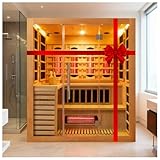
Yes, in many cases you can, and many tiny home owners already do. The deciding factors are floor space, door width, weight, power, and ventilation, not the size of the sauna alone. A compact one person cabin needs a flat, level spot with clearance around the door and the heater panels. A dome or a blanket needs far less floor space, but it gives a different kind of session, with less room to stretch and less of the enclosed cabin feel.


#Paid Links
An RV adds one more test that a fixed tiny home does not face. Everything must survive the road. A unit that sits happily in a parked tiny home can shift, rattle, or tip in a moving trailer if it is not anchored. Panels, glass doors, and loose benches need securing before every trip. That is why the best choice for a mobile home is often the lightest format that still gives you the session you want.
Before you buy anything, answer three questions in this order. First, where will the sauna sit, and how will you get it through the door. Second, what power can you reliably supply there, on shore power and off grid. Third, where will the warm, moist air go after a session. If any answer is unclear, pause the purchase until it is clear.


#Paid Links
Start With Real Measurements, Not the Brochure Floor Plan
Brochure dimensions describe the sauna, not your home. Your doorways, hallways, slide outs, wheel wells, and ceiling height decide whether the sauna can reach its spot and work once it is there. Measure with a tape, not with a guess, and write the numbers down before you shop.
Measure the route in, not just the final spot
Start at the outside door and walk the route the sauna will travel. Record the narrowest door width, the narrowest hallway turn, and the lowest ceiling point along the way. Many infrared cabins arrive as flat panels that you assemble inside the room, which helps a lot in a tiny home. Even so, the longest single panel still has to pass through the door and around the turn.
Check the final spot the same way. Measure the length and width of the floor area, then add the clearance the maker asks for around the unit. Most cabins need a few inches of air gap at the back and sides so the panels can breathe and you can reach the power cord. Leave room to open the door fully and to step in and out without climbing over furniture. A sauna you have to squeeze into is a sauna you will stop using.
- Measure the narrowest door, hallway, and turn on the delivery route.
- Measure the floor area, the ceiling height, and the clearance around the unit.
- Check that the door opens fully and that you can sit and stand comfortably inside.
- Note the location of the nearest outlet and the length of the power cord.
- Photograph the tape readings so you can compare them with maker specs later.
Weight, floor load, and anchoring for travel
Weight matters more in a tiny home on wheels than in a fixed house. A one person cabin often weighs in a typical range of about 100 to 200 pounds, while a two person cabin can weigh about 200 to 400 pounds, depending on the wood, glass, and heater panels. Those are planning estimates, and the exact weight varies by model and brand. Add your own body weight to the total when you think about the floor, and check the axle and payload limits of your trailer or RV before you commit.


#Paid Links
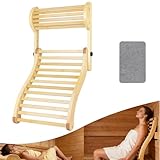
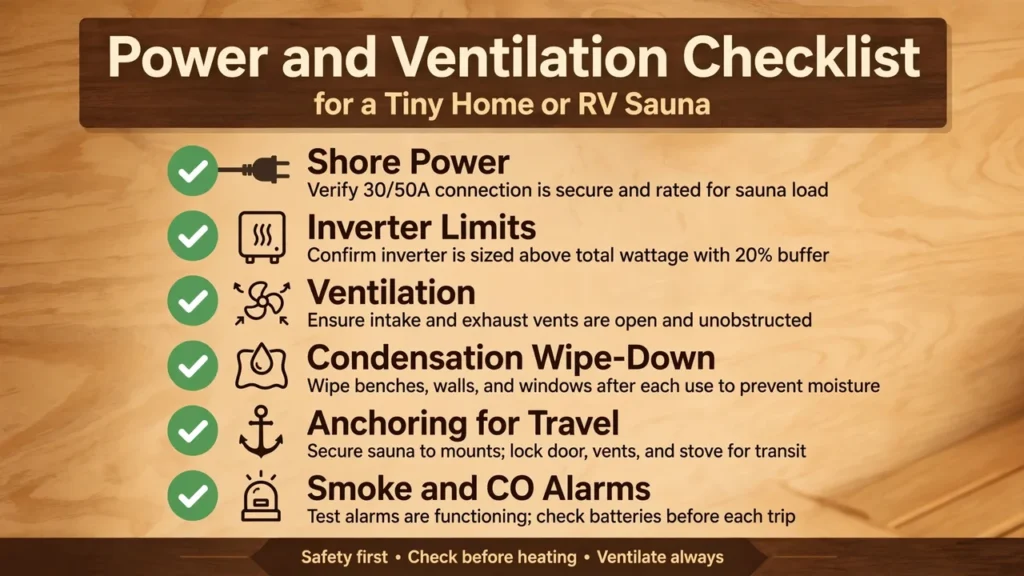
For any unit that travels with you, anchoring is not optional. Use straps, brackets, or a fitted storage bay that stops the unit from sliding or tipping while you drive. Remove loose benches, backrests, and accessories before a trip, or secure them inside the cabin. Check the straps at every fuel stop on a long drive, because road vibration can loosen a fitting that felt tight when you left. Never run the sauna while the vehicle is moving.
Choosing a Format That Fits Tiny Living
Four formats dominate tiny home and RV setups, and each one trades space, comfort, and power in a different way. A one person cabin gives the most complete sauna feel, with a bench, a door, and panels around you. A dome sauna gives focused heat for the body while your head stays outside, which many people find easier in a hot, small space. A sauna blanket wraps you in heat while you lie down, and it folds away into a closet. A portable pop-up box sits between a blanket and a cabin, with a small tent style enclosure and a heater inside.
Think about how you will actually use the sauna, not how it looks in a photo. If you want to sit upright and read, a cabin is the honest choice. If you want a short heat session after a hike and you are happy lying down, a blanket or dome may serve you better and save a large part of your floor. If you move often, the format you can fold, store, and carry wins.
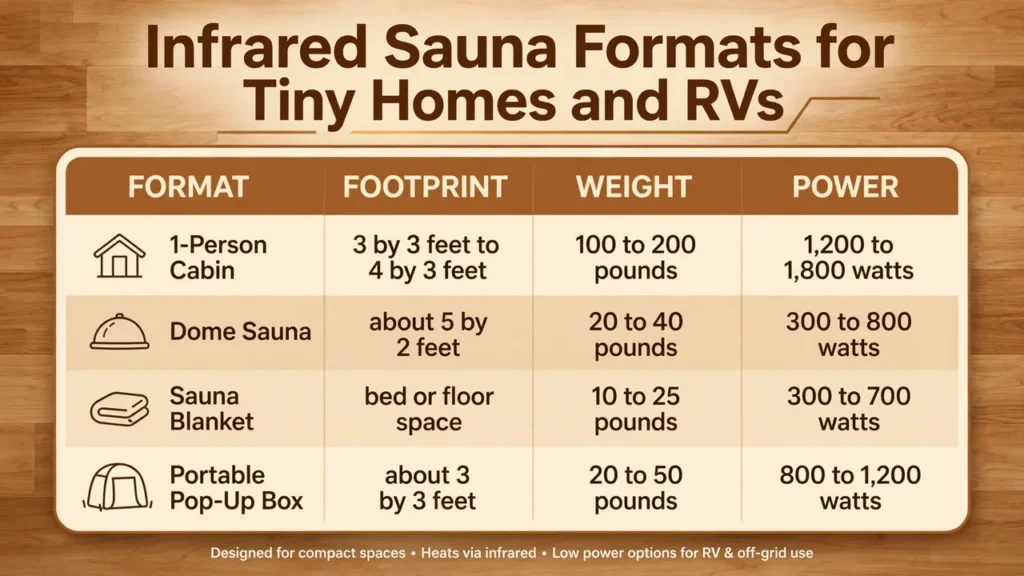
| Format | Typical footprint | Typical weight | Typical power draw | Best for |
|---|---|---|---|---|
| One person cabin | About 3 by 3 feet to 4 by 3 feet | About 100 to 200 pounds | About 1,200 to 1,800 watts | Daily seated sessions in a parked tiny home |
| Dome sauna | About 5 by 2 feet when in use | About 20 to 40 pounds | About 300 to 800 watts | Small RVs and vans, lying down sessions |
| Sauna blanket | Bed or floor space when in use | About 10 to 25 pounds | About 300 to 700 watts | Minimal storage, travel, and tight budgets |
| Portable pop-up box | About 3 by 3 feet when in use | About 20 to 50 pounds | About 800 to 1,200 watts | Renters and frequent movers who want a seated session |
Storage is part of the choice too. A cabin stays where it is, so it must earn its floor space every day. A dome folds flat under a bed, a blanket rolls into a closet shelf, and a pop-up box collapses into a bag. For more on how different formats compare, read our guide to infrared sauna dome vs cabin vs blanket.
Power Realities: What a Tiny Home or RV Can Actually Supply
Power is where most tiny home sauna plans succeed or fail. An infrared cabin is a heating appliance, and heating appliances draw a lot of current for a long time. A dome or blanket draws far less, which is why they are the realistic choice for many RV setups. Before you choose a format, work out what your electrical system can supply without tripping a breaker or draining a battery.
Start with the wattage of the sauna you are considering. A one person cabin typically draws about 1,200 to 1,800 watts, and a two person cabin can draw about 1,800 to 2,400 watts. A dome or blanket typically draws about 300 to 800 watts, and a portable pop-up box typically draws about 800 to 1,200 watts. These are typical ranges that vary by model and brand. The exact wattage is printed on the maker label and in the manual, and that label is the number to trust.
15 amp, 20 amp, and 30 amp service, in plain terms
A standard household outlet in North America is usually on a 15 amp or 20 amp circuit. On a 120 volt supply, a 15 amp circuit can supply about 1,800 watts at most, and a 20 amp circuit about 2,400 watts at most. In practice you should not run a circuit at its maximum for a long session, because breakers, wiring, and plugs heat up under a sustained load. A good planning rule is to keep a continuous load at or below about 80 percent of the circuit rating, which is about 1,440 watts on a 15 amp circuit and about 1,920 watts on a 20 amp circuit.
That simple maths explains a lot of sauna choices. A 1,500 watt cabin can work on a dedicated 20 amp circuit, but it is a tight fit on a shared 15 amp circuit that also serves a fridge or a water heater. A 1,800 watt cabin needs a dedicated 20 amp circuit at minimum. A 30 amp RV shore power hookup supplies about 3,600 watts at 120 volts in total, which sounds generous until you add a roof air conditioner, a microwave, and a water heater, so plan which appliances run together and which wait their turn.
Never plug a cabin into a circuit that also serves other heavy loads, and never use a light extension cord or a multi way adapter to reach a distant outlet. Use a dedicated circuit where you can, keep the cord short and fully uncoiled, and check that plugs and sockets stay cool during a session. If a plug feels hot, stop the session and get a licensed electrician to look at the circuit. For the full detail on circuits, breakers, and outlets, see our guide to infrared sauna power requirements.
Shore power, generators, and the parked routine
Shore power is the easiest way to run a cabin in a tiny home or RV. A one person cabin is realistic on a 30 amp hookup if you manage the other loads. Check the pedestal rating before you book a site, because some older sites offer only a 15 amp or 20 amp outlet. A 50 amp hookup gives far more headroom, and it is the comfortable choice if you run a cabin alongside air conditioning.
A portable generator can also supply a cabin, but only if it is rated well above the sauna wattage. A 2,000 watt generator will struggle with a 1,800 watt cabin, so a 3,000 watt or larger generator is a more realistic match, with other loads switched off. Never run a generator inside, under, or close to the RV, and keep the exhaust clear of doors and windows.
Inverters and batteries: why a cabin usually needs shore power
An inverter turns battery power into household style power, but a cabin is one of the hardest loads for an RV battery bank. A 1,500 watt cabin running for 45 minutes uses about 1,125 watt hours of energy, before inverter losses. A typical RV battery bank of 200 amp hours at 12 volts holds about 2,400 watt hours in total, and only part of that is safely usable. One sauna session can take half a usable bank or more, leaving little for lights, fridge, and phones.
A dome or blanket changes the maths completely. At about 400 watts, a 30 minute session uses about 200 watt hours, which is a small share of a healthy battery bank. That is why many off grid travellers choose a blanket or dome for the road and save the cabin for sites with a hookup. The session feels different, but the power budget stays realistic, and the battery is still there for the rest of the evening.
The inverter must also be large enough. A 1,500 watt cabin needs an inverter rated well above 1,500 watts, and the wiring between the battery and the inverter must be thick enough for the current involved. That wiring is a job for a licensed RV electrician, not a weekend experiment. If any of this sounds uncertain, use shore power for a cabin and save battery power for a dome or blanket.
Solar: a helpful top up, not a sauna power plant
Solar panels help, but they rarely power a cabin on their own. A typical RV roof array of 400 watts produces about 400 watts in strong midday sun, and far less on a cloudy day or in winter. A cabin drawing 1,500 watts needs about four times that output, sustained for 30 to 45 minutes, plus the energy to recharge the battery afterwards. Solar can recharge the bank between sessions and can support a dome or blanket session on a sunny day, but it should not be the plan for a daily cabin session off grid.
All wiring changes in an RV, including a new outlet, a bigger inverter, or a battery upgrade, should be done by a licensed RV electrician. RV wiring is not the same as house wiring, and a mistake can damage the battery, the inverter, or the vehicle. Check your local code and permit office for any fixed tiny home wiring work, and use a licensed electrician for installation work in a fixed tiny home too. The figures in this section are planning estimates, not quotes, and the cost of electrical work varies by region and installer.
Ventilation and Moisture: The Hidden Challenge in a Sealed Small Space
A tiny home or RV is a small sealed box, and a sauna adds heat, sweat, and moisture to that box. Infrared saunas are dry compared with steam rooms, but a session still leaves sweat on the bench, damp towels, and warm moist air inside the cabin. In a large house that moisture spreads and dries quickly. In a tiny home it can condense on the coldest surface it finds, which is often a window, a metal frame, or an outside wall.
Condensation is the problem to manage, not steam. When warm moist air meets a cold window or wall, water droplets form, and repeated wetting can lead to mould, musty smells, and damage to wood and seals. The risk is highest in cold weather and in humid climates. A good routine prevents most of it, and it costs little.
A simple ventilation routine that works
- Ventilate before the session. Open a roof vent or a window on the opposite side of the room for a few minutes so fresh air can enter and stale air can leave.
- Run the vent fan during the session. A small roof vent fan on low speed pulls warm moist air out without making the cabin cold. Keep the sauna door closed so the heat stays inside the cabin.
- Open the cabin door after the session. Let the warm air out of the cabin and into the room, where the vent fan can carry it outside.
- Air the room for 15 to 20 minutes. Keep a window cracked and the fan running until the room feels dry again. In cold weather, a short strong airing works better than a long slow leak of warm air.
- Wipe the cabin dry. Wipe the bench, the floor, and the inside of the door with a dry towel. Hang towels outside the cabin to dry, not inside it.
- Check the cold spots. Look at windows, metal frames, and outside walls after the session. Wipe away any droplets you find, and note any spot that is wet every time.
Never block a vent to make the sauna heat faster, and never seal the cabin into a cupboard with no air gap. In a very humid climate a small dehumidifier can help, but it adds power draw, so factor that into your electrical plan. For the wider moisture picture, our infrared sauna in a basement guide covers the same condensation logic in a different setting.
Heat Up and Session Routine on the Road
A road routine is different from a home routine, because you have less time, less power, and less space to recover in. The goal is a short, comfortable session that leaves you refreshed and leaves the RV dry. A 15 to 25 minute session is a sensible starting point for most people, and you can build up from there once you know how your body and your RV respond.
Start by checking the power situation. Confirm the hookup rating, switch off the loads you do not need, and make sure the sauna is on its own circuit. Then ventilate the room, open the roof vent, and start the sauna to warm up. A one person cabin typically takes about 15 to 30 minutes to reach a comfortable temperature, while a dome or blanket often warms up in about 5 to 15 minutes.
Step in once the cabin feels warm, not when the display first hits your target number. Sit upright, keep a towel on the bench, and keep water within reach. Listen to your body rather than the clock. If you feel light headed, nauseous, or unusually hot, leave the cabin at once, sit down, and drink water. There is no benefit in pushing through discomfort, and in a small space there is nobody to notice if you do not speak up. Tell someone you are having a session when you travel with others, so they know where you are.
After the session, cool down slowly. Step out, sit for a few minutes, and drink water before you shower or go outside into cold air. Wipe the cabin dry, hang the towels to air, and run the vent fan until the room feels dry. Our infrared sauna hydration guide explains how much to drink before and after a session, and which warning signs mean you need to stop and rest.
Safety Checklist for a Sauna on Wheels
Keep this list where you can see it, and run through it before a trip and before a session. The items below cover fire, carbon monoxide, travel, and your own health, because all four matter in a small mobile space.
- Smoke alarm and carbon monoxide alarm fitted and tested. Test both monthly, replace batteries on schedule, and replace the alarms themselves when they reach the end of their rated life. Never remove an alarm because it beeps during cooking.
- Sauna secured before every drive. Straps checked, door latched, loose items removed or stowed, and nothing resting on top of the cabin.
- Power checked before every session. Correct circuit, no hot plugs, no damaged cords, and no other heavy load sharing the circuit.
- Exit route clear. The sauna door opens fully, the room door and the emergency window are not blocked, and you can get out quickly without climbing over furniture.
- Water and a timer within reach. Drink before the session, keep water nearby, and set a timer so you do not lose track of time.
- Leave at once if you feel unwell. Dizziness, nausea, a racing heart, or feeling faint are stop signals, not challenges. Get out, sit down, drink water, and rest.
- Doctor check first if you are in a risk group. Pregnancy, a heart or circulation condition, low blood pressure, and medication that affects heat tolerance all call for a doctor check before regular sauna use.
Installation, Moving Day, and Living With the Sauna
Installing a cabin in a tiny home is usually a two person job. Assemble the panels inside the room, following the maker instructions in order, and do not force a panel that does not fit. Check that the bench is level and the door closes cleanly, then plug the sauna into its dedicated outlet, run it empty for a full warm up cycle, and check that every panel heats evenly and no plug feels hot.
For a fixed tiny home, a licensed electrician should handle any new circuit, outlet move, or breaker change. For an RV, a licensed RV electrician should handle any wiring change, inverter upgrade, or battery work. General guidance in this article cannot replace a professional look at your own system, and local code and permit rules vary, so check with your local code and permit office before you start fixed installation work. If you rent your tiny home or your pitch, check your rental terms and your landlord rules too, because some sites limit high wattage appliances. Our guide to infrared sauna in an apartment covers landlord and shared building rules that translate well to rented pitches and parks.
Moving the sauna is part of tiny home life, so plan for it from the start. Keep the maker instructions, the panel fixings, and a small toolkit together in one labelled box. When you move, take the cabin apart in the reverse order of assembly, label each panel, and protect the glass door. The full process is covered in our guide to how to move an infrared sauna. A blanket or dome needs none of this, which is a real advantage if you move every few weeks.
What Does a Tiny Home Infrared Sauna Cost?
Costs vary widely by format, brand, and quality, so the figures below are planning estimates in US dollars, not quotes. A sauna blanket typically costs about 200 to 600 dollars. A dome sauna typically costs about 300 to 900 dollars. A portable pop-up box typically costs about 400 to 1,200 dollars. A one person cabin typically costs about 1,500 to 4,000 dollars, and a two person cabin typically costs about 2,500 to 6,000 dollars. The exact price depends on the wood, the panel type, the controller, and the warranty, so compare like with like and check current listings before you buy.
Running costs matter too. A 1,500 watt cabin running for 45 minutes uses about 1.1 kilowatt hours per session, or about 17 to 22 cents at a typical price of 15 to 20 cents per kilowatt hour, though campground pricing varies. A 400 watt blanket running for 30 minutes uses about 0.2 kilowatt hours, only a few cents per session. These are planning estimates.
Do not forget the one off costs. Straps and brackets for travel, a vent fan upgrade, a dehumidifier, and electrical work by a licensed electrician can add several hundred dollars to the total. Budget for those before you buy the sauna, not after, and get local quotes for the electrical work. For a portable option that keeps the upfront cost low, see our roundup of the best portable infrared saunas.
Frequently Asked Questions
Can I run an infrared sauna in an RV on battery power alone?
A full cabin is rarely practical on battery power alone, because a 1,500 watt cabin can use about half a typical RV battery bank in one session. A dome or blanket at about 300 to 800 watts is far more realistic off grid. Most RV owners run a cabin on shore power or a large generator, and save battery power for a low wattage format.
What size infrared sauna fits in a tiny home?
A one person cabin of about 3 by 3 feet is the usual fit for a tiny home, and it needs a few inches of clearance around it plus room to open the door. Measure the narrowest door and hallway on the delivery route, the ceiling height, and the floor area before you buy. If the cabin cannot reach its spot or the door cannot open fully, choose a dome, blanket, or pop-up box instead.
How many watts does an infrared sauna need in an RV?
A one person cabin typically draws about 1,200 to 1,800 watts, a dome or blanket about 300 to 800 watts, and a pop-up box about 800 to 1,200 watts. These are typical ranges that vary by model and brand. Check the maker label for the exact wattage, and keep a continuous load at or below about 80 percent of the circuit rating.
Does an infrared sauna cause condensation in a tiny home?
It can, because a session adds warm moist air to a small sealed space, and that moisture can condense on cold windows and outside walls. Run a vent fan, air the room for 15 to 20 minutes after each session, wipe the cabin dry, and check cold spots for droplets. A short strong airing works better than leaving a window open all day in cold weather.
Is it safe to use an infrared sauna while travelling?
No, never run a sauna while the vehicle is moving. Use the sauna only when parked, with the unit secured, the power supply confirmed, and the exit route clear. Secure the sauna with straps or brackets before every drive, and check the straps at fuel stops, because road vibration can loosen them.
Do I need a special outlet for an infrared sauna in a tiny home?
Most one person cabins run on a standard 120 volt outlet, but they should be on a dedicated 20 amp circuit where possible, with nothing else heavy sharing it. Larger cabins may need a dedicated 20 amp circuit as a minimum. A licensed electrician should handle any new circuit or outlet work, and a licensed RV electrician should handle wiring changes in an RV.
An infrared sauna in a tiny home or RV works best when the choice follows the space, not the other way round. Measure the route and the floor, pick the format your power supply can honestly support, and build ventilation and wipe down into every session. A one person cabin on shore power gives the fullest daily routine, while a dome or blanket keeps the habit alive off grid and on the move.