
Outdoor Sauna Cost in 2026: Kits, Installation, Base & Hidden Costs
An outdoor sauna can turn an ordinary backyard into a place you actually look forward to using every week. But before you fall in love with a barrel sauna photo online, it helps to know what the whole project really costs.
The kit itself is only part of the bill. The base it sits on, the heater, the electrical or chimney work, and the small extras all add up. This guide walks through each piece, with planning estimates you can use to build a realistic budget.
One important note up front: the figures below are broad planning estimates based on prices commonly listed by kit sellers and installers, not quotes. Prices vary by size, wood type, heater choice, and where you live, so always confirm current prices with suppliers before you commit.


Paid Links - As an Amazon Associate, I earn from qualifying purchases.
Outdoor Sauna Cost at a Glance
Most backyard outdoor sauna projects fall into three rough bands. A small DIY kit on a simple gravel or paver base sits at the low end. A mid-range cabin kit with a proper foundation and professional electrical work sits in the middle. A large, fully installed custom build sits at the top.
| Project level | Typical total planning range | What it usually includes |
|---|---|---|
| Budget DIY kit | Roughly $3,000–$8,000 | Small kit, simple base, DIY assembly |
| Mid-range installed | Roughly $8,000–$20,000 | Larger kit, concrete or paver base, pro electrical work |
| Premium / custom | Roughly $20,000+ | Large cabin, full foundation, deck, extras |
Your final number depends less on the sauna itself than on the ground it sits on and the power it needs. Those two items surprise more buyers than anything else.
Sauna Kit Costs: What You Pay for the Box Itself
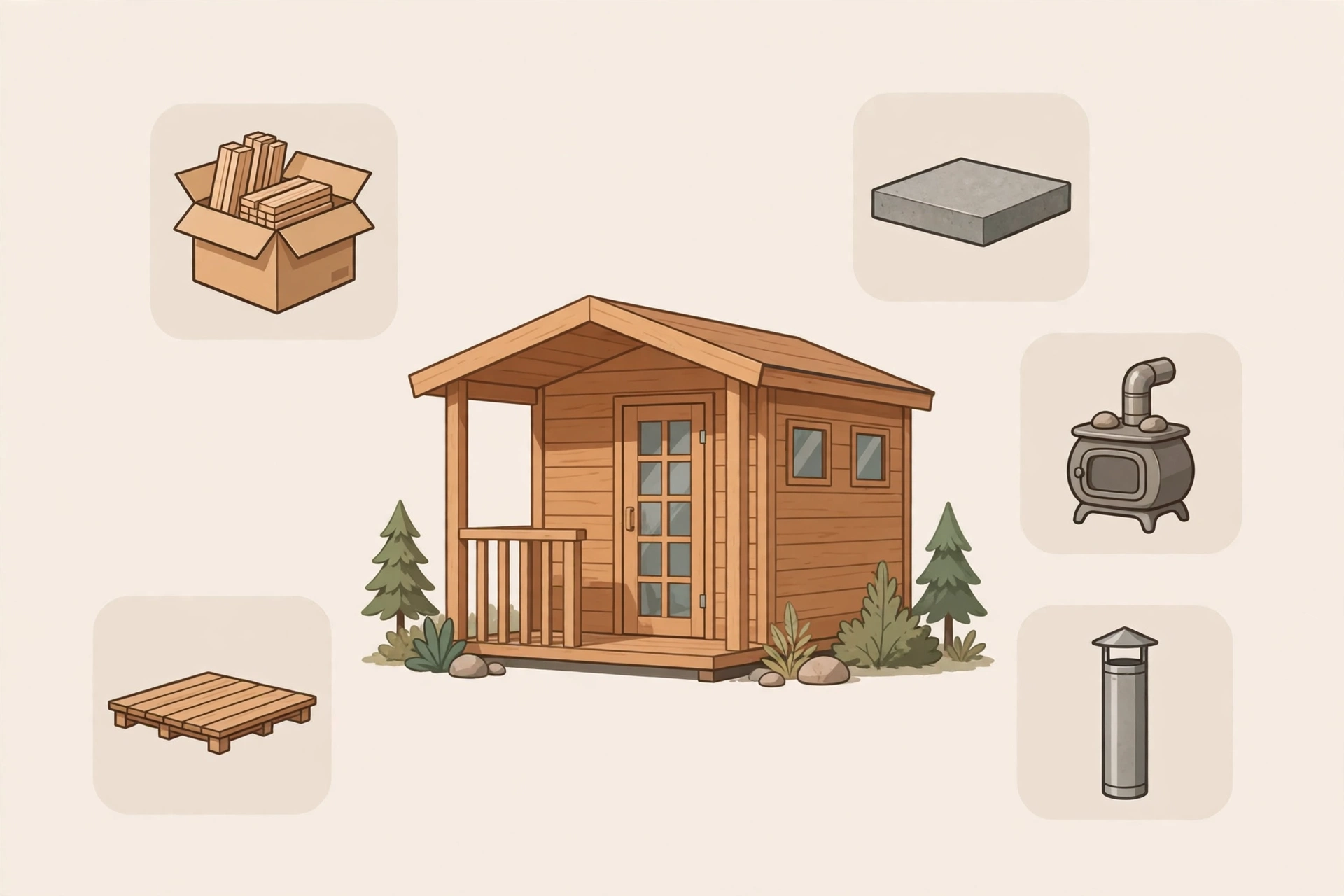
The kit is usually the single biggest line item, and its price tracks size and materials closely. Small two-person barrel kits are the most affordable way in. Larger cabin-style kits with a changing room, panoramic glass, or premium cedar cost considerably more.
As a planning guide, small kits are commonly listed in the low thousands of dollars, mid-size barrel and cabin kits in the mid-to-high thousands, and large premium cabins well into five figures. Wood matters too: hemlock and spruce kits tend to cost less than western red cedar, which is prized for its durability and aroma outdoors.
Before comparing kit prices, check what is actually included. Some kits include the heater and stones; others sell them separately. A kit that looks cheaper can end up costing more once you add the heater, benches, and door hardware.
Installation Costs: Assembly, Electrical and Chimney Work
Installation is where DIY savings are real — and where professional help is worth paying for. Many barrel kits are designed for two people to assemble over a weekend with basic tools. Cabin kits take longer and may need an extra pair of hands for wall panels and roofing.


Paid Links - As an Amazon Associate, I earn from qualifying purchases.
Electric heaters need a dedicated circuit, and that work should be done by a licensed electrician. The cost depends on how far your sauna sits from your home’s electrical panel and whether trenching or a new sub-panel is needed. A sauna right beside the house costs far less to wire than one at the far end of a large garden.
Wood-fired saunas skip the electrical bill but add chimney work instead. The stove, flue pipe, flashing, and heat shielding must follow the manufacturer’s instructions exactly. Never improvise clearances or chimney parts — this is one area where cutting corners creates a real fire risk.
If you are unsure about any part of the install, get a quote from a local installer before ordering the kit. A short paid consultation is far cheaper than fixing a wrongly placed base or an undersized circuit later.
Base and Foundation Costs: The Part People Forget
An outdoor sauna needs a level, stable, well-drained base. Sitting a wooden sauna directly on soil invites rot, uneven settling, and a door that stops closing properly.
- Gravel pad: the cheapest option and a good match for smaller barrel saunas, as long as it is level and well compacted.
- Concrete pavers or slab: more durable and easier to keep level, at a moderate extra cost for materials and labour.
- Full concrete slab: the most solid choice for larger cabins, and the most expensive because of excavation, formwork, and pouring.
- Existing deck: can work if the deck is level and rated for the sauna’s weight — check with a builder rather than assuming.
Drainage matters as much as level ground. Water should run away from the sauna, not pool underneath it. If your garden holds water after rain, budget for a slightly raised base or improved drainage.
For a fuller walkthrough of the build itself, see our guide on how to build an outdoor sauna.
Hidden Costs Most Buyers Miss
Hidden costs are rarely huge on their own, but together they can add a four-figure sum to a project. Run through this list before you finalise your budget:
- Delivery: large kits may carry a freight or crane-offload fee, especially for remote addresses.
- Heater and stones: often sold separately from the kit, and stones need replacing over time.
- Electrical extras: trenching, conduit, a sub-panel, or a longer cable run than you expected.
- Roofing and weatherproofing: shingles, sealant, or a protective cover to shield the wood.
- Accessories: thermometer, hygrometer, bucket and ladle, backrest, headrest, and lighting.
- Permits and inspections: some areas require a permit for electrical work or a permanent structure — check with your local permit office rather than assuming.
None of these should scare you off. They just belong in the budget from day one, not discovered on delivery day.
Running Costs: What an Outdoor Sauna Costs to Use
Running costs are modest compared with the build, but they are ongoing. Electric saunas add to your electricity bill based on heater size, session length, and how often you use it. Wood-fired saunas cost whatever your firewood costs, plus your time splitting and stacking.
Other small ongoing costs include replacement stones, wood treatment or sealant every couple of years, and the odd accessory. Budgeting a small annual maintenance allowance keeps the sauna in good shape and avoids a big repair bill later.
Good habits keep costs down too. Pre-heating only as long as needed, keeping the door closed during sessions, and protecting the wood from standing water all extend the sauna’s life.
How to Keep Your Outdoor Sauna Budget Under Control
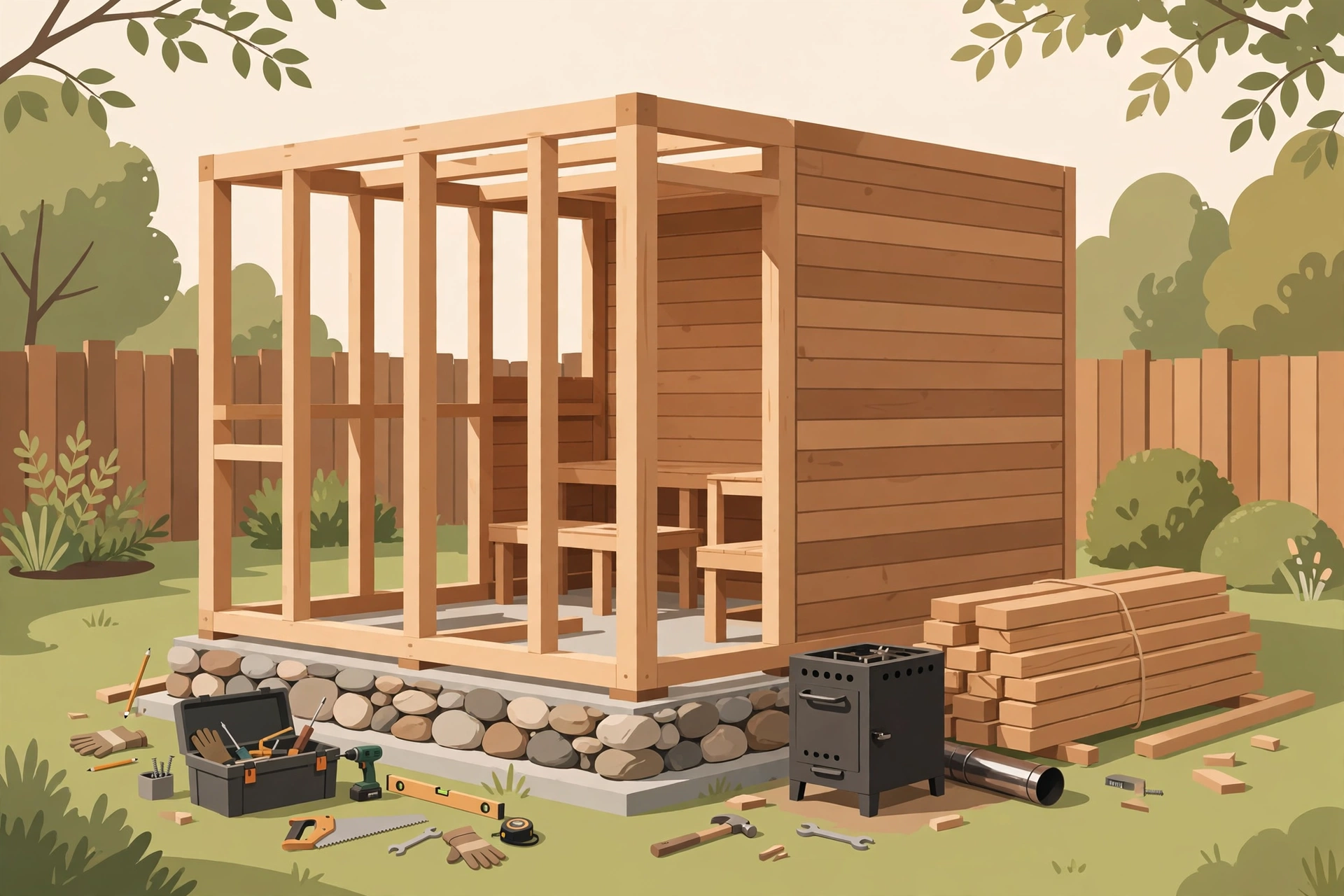
Start with the base and the power supply, not the sauna model. Get a realistic figure for those two items first, then choose a kit that fits what is left. Many buyers do it backwards and end up squeezing the foundation budget, which is exactly the wrong place to save.
Consider a smaller kit if you mostly sauna alone or as a couple. A well-built two-person sauna you use four times a week beats a large one you rarely heat because it costs too much to run.
Finally, compare at least two or three suppliers on a like-for-like basis: same size, same wood, heater included or not. The cheapest headline price is rarely the cheapest finished sauna.
Sauna Safety Basics Worth Building Into Your Budget
A safe sauna is part of the cost of a good sauna, not an optional extra. Hydrate before and after every session, start with short sessions, and leave immediately if you feel dizzy or unwell. Avoid alcohol before or during sessions.
Check with a doctor first if you are pregnant, or live with a heart or circulation condition, low blood pressure, or take medication that affects heat tolerance. For wood-fired saunas, follow the manufacturer’s clearance instructions, never leave the stove unattended, and keep the chimney and ash area clean and clear.
If you are still deciding whether an outdoor sauna suits you at all, our overview of everything you need to know about outdoor saunas and what an outdoor sauna is will help you weigh the decision.
Frequently Asked Questions
How much does an outdoor sauna cost in total?
As a planning guide, most backyard projects land roughly between $3,000 and $20,000 all-in, with premium custom builds going higher. The kit, base, and electrical or chimney work make up most of that total, so confirm current supplier and installer prices before budgeting.
Is a kit or a custom-built outdoor sauna cheaper?
A kit is usually cheaper because the parts are pre-cut and the design is standardised. A custom build costs more but lets you choose the exact size, layout, and materials for your garden.
Do I need a concrete base for an outdoor sauna?
Not always. A well-compacted gravel pad or paver base suits many smaller saunas, while larger cabins benefit from a concrete slab. Whatever you choose, the base must be level, stable, and well drained.
Do I need a permit for an outdoor sauna?
It depends on where you live and whether the structure is permanent or needs electrical work. Check with your local permit office before building, and use a licensed electrician for any wiring.
What are the ongoing costs of an outdoor sauna?
Electricity or firewood for heating, replacement stones, and periodic wood treatment or sealant. These running costs are modest next to the build cost, but they are worth including in your long-term budget.