What Is Infrared Light Sauna? Learn how it works, benefits, price, safety, infrared sauna vs red light therapy, and whether it’s right for you.
An infrared light sauna is a type of sauna that uses infrared heaters to emit light that is absorbed by the skin’s surface, directly heating the body rather than simply warming the air.
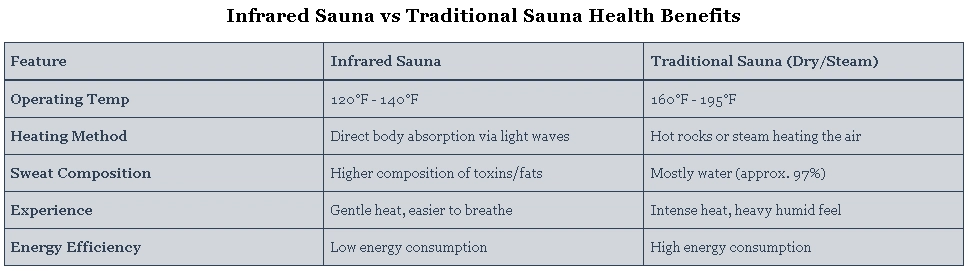
Unlike traditional saunas, which use hot rocks or steam to heat the environment to high temperatures (often up to 195°F), an infrared sauna operates at much lower temperatures (usually between 120°F and 140°F) while inducing a profound sweat at the cellular level.
If you’ve been scanning wellness trends lately, you’ve probably seen these wooden cabins popping up in gyms, spas, and even people’s basements.


Paid Links - As an Amazon Associate, I earn from qualifying purchases.
But unlike the steam rooms of the past, this technology relies on the invisible power of light. Let’s dive into exactly what this technology is, how it impacts your health, and whether it deserves a spot in your wellness routine.
Disclaimer: This article is for informational purposes only and does not constitute medical advice. Always consult with a healthcare professional before starting any new wellness treatment.



Paid Links - As an Amazon Associate, I earn from qualifying purchases.
Key Takeaways
- Direct Heating: Infrared saunas heat the body directly by using light waves instead of heating the air, which makes for a more comfortable sauna experience at lower temperatures.
- Health Perks: Benefits include from deep detoxification to muscle recovery to cardiovascular health to clearer skin.
- Safety Profile: Generally safe for most adults, however hydration is very important. Concerns about cancer are largely unfounded as infrared is non-ionizing radiation.
- Distinction: It is very much different from red light therapy and infrared uses heat for penetration whereas red light therapy uses specific wavelengths for energy in the cells without the heat.
- Cost & Access: Prices are all over the board for home units, however, the cost of finding a local studio or gym is a great way to begin on the cheap.
What Is Infrared Light Sauna? Understanding the Technology
In order to really understand the hype we have to look under the hood. When people ask, what is infrared light sauna technology actually based on. It’s all about electromagnetic spectrum.
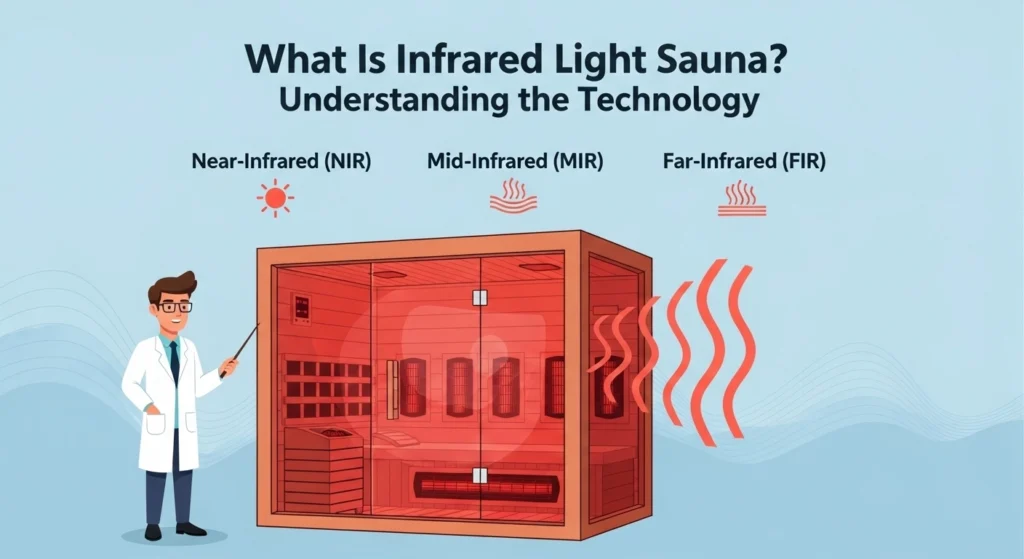
Infrared light is a member of the invisible spectrum of light. We can’t see it but we can feel it, as heat. It is just beyond the red end of the visible light spectrum (which explains the “infra” in infrared). This spectrum is generally divided into three categories which are used in sauna therapy:
1. Near-Infrared (NIR)
This wavelength is the shortest wavelength. It doesn’t go as deep but is great for skin health, wound healing and immune system. Some “full spectrum” saunas make use of this for surface-level rejuvenation.
2. Mid-Infrared (MIR)
These wavelengths go deeper into the body, in the soft tissue. This is often linked to pain relief and an improved circulation. If you have sore muscles from a workout, mid-infrared is often doing the heavy lifting in terms of relief.



Paid Links - As an Amazon Associate, I earn from qualifying purchases.
3. Far-Infrared (FIR)
This is the most common wavelength that is found in standard infrared saunas. These waves go the deepest, to the fat cells and vibrate the water molecules in the body causing a heavy sweat. This is the reason why the detoxification process is so effective by penetrating deep.
Top 10 Benefits of Infrared Sauna Therapy
If you are wondering what is infrared light sauna good for, the answer covers a wide range of goals for health. Due to the deep penetration of the heat the physiological effects are more pronounced than a standard heat sweat.
Here are the top 10 benefits of using infrared saunas based on research and user experiences:
- Deep Detoxification: Proponents claim that the sweating in an infrared sauna removes toxins such as heavy metals (lead, mercury) and environmental pollutants better than a traditional sauna. These toxins are released from fat cells with the deep penetration.
- Muscle Recovery and Pain Relief: The heat promotes blood flow to the injured area which helps in faster recovery. It’s a favorite with athletes to take the tension out of muscles and joint pain like arthritis.
- Improved Cardiovascular Health: Studies have shown that the heat stress caused by an infrared sauna can mimic the effects of moderate exercise, improving heart rate variability and lowering blood pressure.
- Skin Rejuvenation: The enhanced circulation brings oxygen and nutrients to the skin. Many users report clearer skin, less acne and better tone! Near-infrared in particular stimulates the production of collagen.
- Stress Reduction and Better Sleep: The gentle heat helps to balance the body’s level of cortisol (the body’s primary stress hormone). The heat also helps your body relax in preparation for a deeper sleep.
- Weight Loss Support: While it’s not a magic pill, an infrared sauna session can burn calories. As your body works to cool itself down your heart rate rises and you can burn anywhere from 200 to 600 calories during a session.
- Improved Circulation: When the heat is on the body, the capillaries expand. This improves blood flow to all areas of the body which is vital to healing and energy levels.
- Immune System Boost: The artificial fever created by the heat can help to stimulate the immune system and boost the production of white blood cells to combat any potential illness.
- Chronic Fatigue Relief: Some research has suggested that regular use may help to relieve symptoms of chronic fatigue syndrome, by helping to improve mechanisms of energy production in the body.
- Flexibility: Heat loosens the muscles and allows more flexibility, which makes it a great tool to use before a workout in order to avoid injury.
Infrared Sauna vs Traditional Sauna Health Benefits
| Feature | Infrared Sauna | Traditional Sauna (Dry/Steam) |
|---|---|---|
| Operating Temp | 120°F – 140°F | 160°F – 195°F |
| Heating Method | Direct body absorption via light waves | Hot rocks or steam heating the air |
| Sweat Composition | Higher composition of toxins/fats | Mostly water (approx. 97%) |
| Experience | Gentle heat, easier to breathe | Intense heat, heavy humid feel |
| Energy Efficiency | Low energy consumption | High energy consumption |
Infrared Sauna vs Red Light Therapy
There is a huge amount of confusion between these two therapies. If you’ve ever wondered what is the difference between infrared sauna and red light therapy, you aren’t alone. Whilst they are similar sounding, they work very differently.
What is the Difference between the Red Light and the Infrared Sauna Technology?
- Infrared Saunas: The majority of them use heat. The aim of this is to increase your body core temperature to make you sweat. While they use light waves, the mechanism of action is thermal.
- Red Light Therapy (RLT): Uses specific wavelengths of red and near-infrared light, but does not produce heat. The goal here is not to break a sweat, but to get those mitochondria in your cells to produce more energy (ATP).
What is Better, Red Light Therapy Or Infrared Sauna?
Neither is strictly “better” however – they serve different purposes.
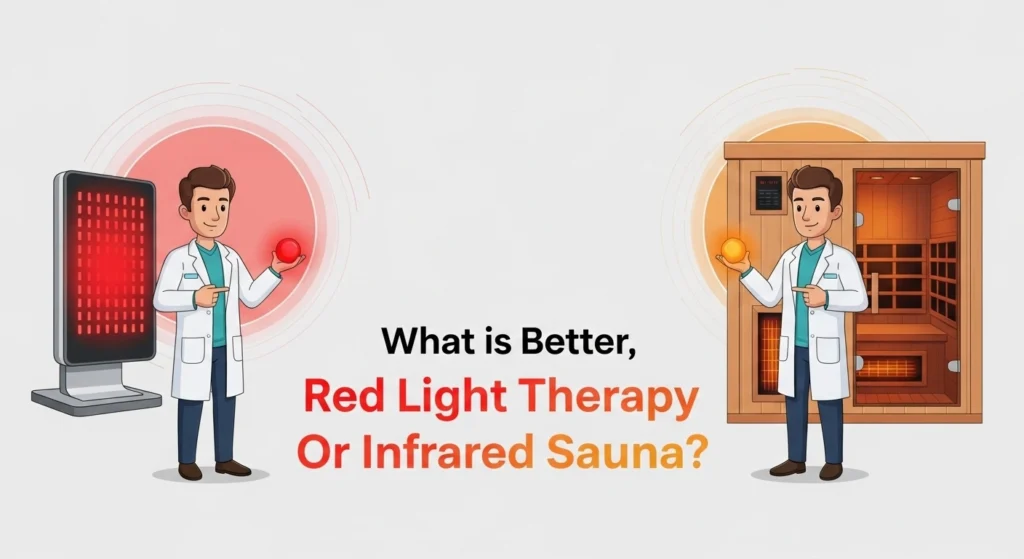
- Choose an Infrared Sauna If: You would like deep sweating and detoxification, and you want a cardiovascular workout as well as relaxation through the heat, you should get an Infrared Sauna.
- Choose Red Light Therapy if: you are looking to treat skin conditions (acne, scarring), improve the speed of wound healing, or reduce inflammation without significantly increasing your heart rate or body temperature.
Many high-end wellness studios have now introduced what is infrared sauna and red light therapy combination sessions under what is called “chromotherapy” within the sauna cabin. This raises us to a frequently asked question, what is the red light in infrared sauna cabins?
Most of the time, this is Chromotherapy (Color Light Therapy). This is a separate feature in which colored LED lights are used for balancing energy in the body. While different from medical-grade Red Light Therapy panels, it is an aesthetic addition to the sauna experience, as well as a relaxing one.
Are There Dangers? Can Infrared Saunas Give You Cancer?
Safety: This is the most important factor. One of the questions that is searched the most is: can infrared saunas cause cancer?
The short answer is, at least for now, based on current scientific consensus, no.
Here is the science: Infrared radiation is non-ionizing radiation. This means that it doesn’t have enough energy to strip electrons from atoms or damage DNA, which is how ionizing radiation (like X-rays or UV-rays from the sun) causes cancer.
In fact, far-infrared radiation is the same type of heat that we receive from the sun (without the harmful UV rays) or from a warm campfire. Some research even suggests that hyperthermia (raising body temperature) can actually help the body to fight cancer cells, though you should always consult an oncologist for specific medical advice.
Infrared Sauna Dangers and Side Effects
While the radiation isn’t dangerous, the heat can be if mismanaged. Common infrared sauna dangers are usually the result of user error:
- Dehydration: This is the greatest threat. You lose out a considerable amount of water and electrolytes. Always quench a large glass of water before getting inside.
- Heat Exhaustion: Im staying too long and gets dizzy, nausea or fainting. Beginners should stay with 10-15 minutes.
- Medication Interactions: Certain medications may be affected by heat or elevated heart rate.
- Pregnancy: Pregnant women should generally not make the core body temperature too high.
If you have heart conditions or are sensitive to heat, ask your doctor before using them.
What Is Infrared light Sauna Price?
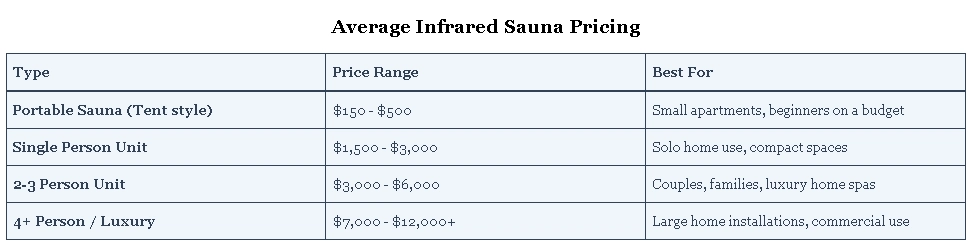
If you are thinking about bringing this to your home, you need to know what is infrared light sauna price ranges look like.
The cost varies quite a lot depending on the size, type of wood, quality of heater (carbon vs. ceramic) and brand.
Average Infrared Sauna Pricing
| Type | Price Range | Best For |
|---|---|---|
| Portable Sauna (Tent style) | $150 – $500 | Small apartments, beginners on a budget |
| Single Person Unit | $1,500 – $3,000 | Solo home use, compact spaces |
| 2-3 Person Unit | $3,000 – $6,000 | Couples, families, luxury home spas |
| 4+ Person / Luxury | $7,000 – $12,000+ | Large home installations, commercial use |
What is the best infrared sauna red light therapy?
High-end models from brands such as Sunlighten or Clearlight often come with “full spectrum” heaters which offer near, mid and far infrared, as well as integrated chromotherapy (color light) systems. These are generally thought to be the best of the best in terms of benefits combined if you want the best of both worlds.
If you cannot purchase, then looking for an infrared sauna near me is your best bet. Many gyms (like Planet Fitness or Equinox) and stand-alone places of wellness have standalone sessions ranging from $30-$60.
How to Use an Infrared Sauna Effectively
In order to get the most out of your session, and avoid the side effects mentioned above, follow this routine:
- Hydrate: Drink 16oz of water before you step in. Consider taking electrolytes.
- Pre-Heat: Allow the sauna 10-15 minutes to heat to the desired temperature (usually 130o F is a good starting point).
- The Session: Sit for 20-30 minutes. If you are a beginner, begin with 15 minutes. Bring a towel as a sit down for hygiene.
- Cool Down: Don’t give your system a shock with an ice bath right away. Let your body cool down on its own, or have a lukewarm shower.
- Re-Hydrate: Another glass of water to replenish fluids lost during the deep sweat.
You May Also Like To Read:
FAQs
What is infrared light sauna good for when compared to steam room?
Infrared saunas are usually more ideal for people that find the extreme heat in steam rooms unbearable. They offer a richer sweat at lower temperatures and are, therefore, better for detoxification and muscle recuperation, whereas steam rooms are often better for respiratory congestion and skin hydration.
Can infrared saunas lead to cancer?
No. Infrared saunas use non-ionizing radiation that is not known to cause damage to the DNA of cells like UV rays and X-rays. It is held to be a safe form of heat therapy.
What is the difference between infrared sauna & red light therapy?
Infrared saunas use heat to make people sweat and increase body temperature. Red light therapy involves the use of light with specific wavelengths to help stimulate cellular energy without heat generation and without sweat.
Is it OK to do infrared sauna everyday?
For the majority of healthy people, yes. Daily 20 minute sessions can be safe and beneficial. However, listen to your body. If you are feeling drained or dehydrated then reduce the frequency to 3-4 times a week.
Color light therapy in infrared sauna, what is it?
This is one of the features of many saunas that project colored LED lights (Chromotherapy). Practitioners believe different colors have an effect on mood and health, for example, blue for relaxation or red for energy stimulation.
Does infrared sauna burn fat?
It can aid weight loss by burning calories (approx. 200-600 per session) as well as lowering cortisol (a stress hormone which is associated with belly fat). However, it is not to be considered as a miracle medication for weight loss alone, but works best when taken with diet and exercise.
Final Thoughts
The world of wellness can sometimes be overwhelming, with new gadgets and trends promising to fix all our maladies in one night. However, when you strip away the hype the answer to what is infrared light sauna technology really comes down to is a simple, natural process: the healing power of heat.
Whether you are an athlete seeking quicker recovery, you suffer from chronic pain, or simply want to enjoy a moment of calming in a busy, hectic week, this is a therapy that will provide a true solution.
It is a link between ancient practices for relaxing our bodies and modern biotechnology, that provides a gentler and more accessible means to sweat than the intense blast of traditional steam rooms.
If you’ve been on the fence, then this is your sign to try it out. Search for an infrared sauna near me, schedule your session and see how your body responds.
It’s not just about getting sweaty, it’s about providing an environment in which your body needs in order to reset, recharge and heal. Just remember the golden rule: hydrate, listen to your body and enjoy the warmth.